
On-Page SEO vs. Off-Page SEO: What’s the Difference?
|
Getting your Trinity Audio player ready...
|
SEO (Search Engine Optimization) is the backbone of digital marketing, helping websites rank higher on search engines like Google and drive organic traffic.
However, SEO is broadly categorized into On-Page SEO and Off-Page SEO, each playing a crucial role in the optimization process.
If you’re wondering what sets these two apart, this blog post will provide a detailed comparison, covering their differences, importance, and best practices to implement both for maximum SEO success.
Table of Contents
On-Page SEO vs. Off-Page SEO: Key Differences
| Factor | On-Page SEO | On-Page SEO |
|---|---|---|
| Focus | Internal website optimization | External website factors |
| Key Elements | Content, meta tags, URLs, internal links | Backlinks, social media, brand mentions |
| Control | Direct control over changes | Indirect control, relies on external sources |
| Impact | Improves website usability and relevance | Boosts authority, trust, and domain ranking |
| Techniques | Keyword optimization, mobile-friendliness, schema markup | Link building, guest blogging, social signals |
| Importance | Essential for search engine indexing and ranking | Crucial for credibility and higher rankings |
What is On-Page SEO?
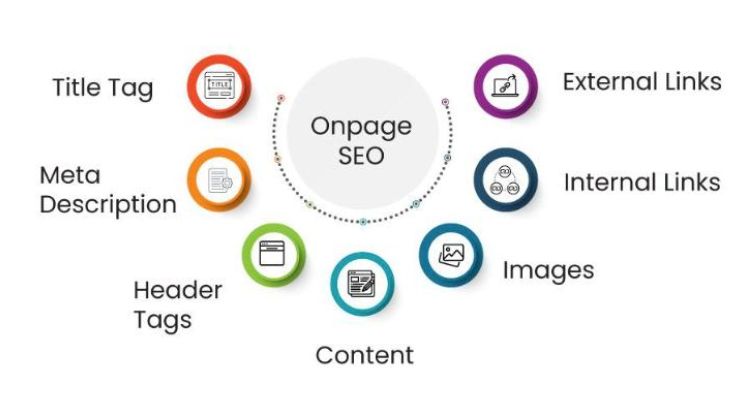
On-page SEO refers to optimizing individual web pages to rank higher in search engine results and attract relevant traffic. Unlike Off-Page SEO, which involves external factors like backlinks and social media, On-Page SEO focuses on optimizing content, HTML source code, and site structure.
Key Elements of On-Page SEO
1. High-Quality Content
Content is king, and relevant, engaging, and informative content is the backbone of On-Page SEO. To create SEO-friendly content, follow these guidelines:
- Conduct thorough keyword research and use target keywords naturally.
- Write unique and original content that provides value to users
- Write in short paragraphs, use bullet points, and add subheadings for better readability.
- Add internal and external links to offer valuable additional resources.
2. Keyword Optimization
Keywords play a vital role in On-Page SEO. To optimize keywords effectively:
- Use the primary keyword in the title, meta description, and URL.
- Include keywords naturally in headings, subheadings, and body content.
- Steer clear of keyword stuffing to prevent search engine penalties.
3. Title Tag Optimization
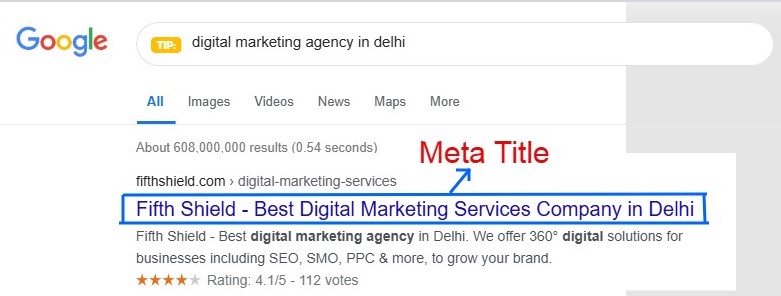
The title tag is a crucial element of On-Page SEO. Follow these best practices:
- Keep it under 60 characters for optimal display.
- Place the target keyword at the beginning.
- Make it compelling and clickable to improve CTR (Click-Through Rate).
4. Meta Description
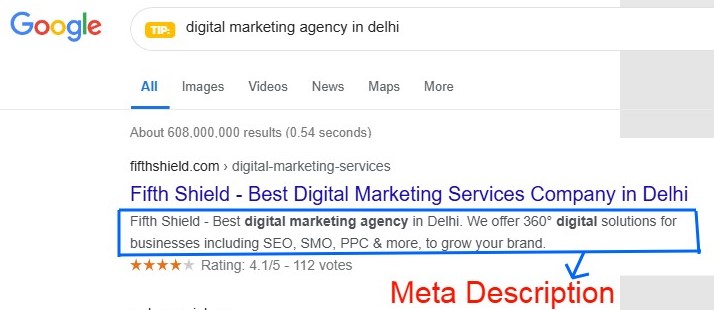
The meta description offers a concise summary of your content. Although it doesn’t directly affect rankings, it influences click-through rates.
- Keep it under 160 characters.
- Include the target keyword naturally.
- Make it engaging and informative.
5. URL Structure
A well-structured URL enhances user experience and search engine rankings
- Use short, descriptive URLs.
- Avoid unnecessary numbers and symbols.
- Include the main keyword in the URL.
6. Header Tags (H1, H2, H3, etc.)
Using header tags correctly enhances readability and boosts SEO.
- The H1 tag should include the primary keyword and clearly define the page’s main topic.
- Use H2 and H3 tags to structure content effectively.
- Keep headers concise and relevant.
7. Image Optimization
Optimized images can enhance user experience and improve rankings.
- Use descriptive file names with keywords (e.g., on-page-seo-guide.jpg).
- Use alt text to help search engines interpret image content.
- Compress images to improve page load speed.
8. Internal Linking
Internal links help search engines understand your website structure and distribute link equity.
- Link to relevant pages within your website.
- Use descriptive anchor text.
- Avoid excessive linking, which can look spammy.
9. Mobile-Friendliness
With mobile-first indexing, Google prioritizes mobile-friendly websites.
- Use responsive design for a seamless experience across devices.
- Ensure text is readable without zooming.
- Optimize buttons and navigation for mobile users.
10. Page Load Speed
Websites with faster load times enhance user experience and achieve higher search engine rankings.
- Optimize images and use lazy loading.
- Minimize CSS, JavaScript, and HTML files.
- Activate browser caching and utilize a Content Delivery Network (CDN).
11. User Experience (UX) Signals
Google favors websites that deliver an excellent user experience.
- Reduce bounce rates by providing engaging content.
- Improve dwell time by offering valuable information.
- Ensure smooth navigation and site architecture.
12. Schema Markup
Schema markup helps search engines understand your content better and enhances search results with rich snippets.
- Use schema for articles, reviews, FAQs, and local businesses.
- Implement JSON-LD structured data for better indexing.
What is Off-Page SEO?
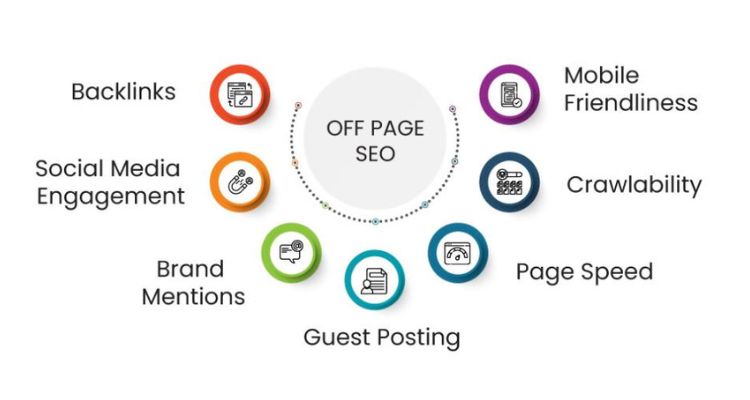
Off-Page SEO refers to all the activities done outside your website to enhance its ranking on search engine result pages (SERPs).
These efforts focus on building high-quality backlinks, increasing brand mentions, and improving overall domain authority.
While backlinks remain a core factor, Off-Page SEO also involves social media engagement, influencer outreach, brand reputation management, and local SEO strategies.
Why is Off-Page SEO Important?
Search engines like Google consider off-page SEO to be a trust signal that determines your site’s credibility. When your website has high-quality backlinks from authoritative sources, it signals that your content is valuable and trustworthy.
Benefits of Off-Page SEO:
- Higher search engine rankings
- Increased website authority
- Greater organic traffic
- Stronger brand credibility
- Better online reputation
Effective Off-Page SEO Strategies
1. Link Building (Backlinks)
Backlinks are the backbone of Off-Page SEO. Backlinks act as votes of confidence for search engines, but quality matters more than quantity.
Best Practices for Link Building:
- Acquire links from authoritative and relevant websites.
- Use seamless, natural anchor text that blends with the content.
- Avoid spammy or paid links that violate Google’s guidelines.
Effective Link Building Techniques:
- Guest Posting – Write high-quality articles for reputable blogs.
- Broken Link Building – Identify broken links on authoritative sites and recommend your content as a replacement.
- Skyscraper Technique – Create superior content and reach out to websites linking to outdated or lower-quality content.
- Editorial Links – Earn natural mentions from news sites, bloggers, or influencers.
- Forum and Community Engagement – Share expertise on relevant industry forums and communities.
2. Social Media Engagement
While social media doesn’t directly impact SEO rankings, it helps amplify your content and bring traffic to your website.
How to Optimize Social Media for Off-Page SEO:
- Share valuable and engaging content on Facebook, Instagram, Twitter, LinkedIn, and Pinterest.
- Engage with audiences through comments, shares, and discussions.
- Use social media to build relationships with influencers and potential link partners.
3. Influencer Marketing
Collaborating with industry influencers can help your brand reach a broader audience and improve Off-Page SEO.
How to Leverage Influencer Marketing:
- Partner with influencers to review or promote your products/services.
- Get featured in expert roundups or industry blogs.
- Encourage influencers to link back to your website or share your content.
4. Brand Mentions and Online Reputation Management
Even without a backlink, brand mentions (citations of your brand name across the web) play a crucial role in SEO.
Best Practices:
- Monitor brand mentions using tools like Google Alerts, Ahrefs, or BrandMentions.
- Encourage customers to leave positive reviews on platforms like Google My Business, Yelp, and Trustpilot.
- Respond to customer queries and complaints professionally.
5. Local SEO (For Location-Based Businesses)
If you have a local business, optimizing for local searches is essential.
Key Local SEO Techniques:
Claim and optimize your Google My Business (GMB) listing.
- Get listed in local directories and citations (Yelp, Justdial, IndiaMart, etc.).
- Collect positive customer reviews.
- Use local keywords and geo-tagged images in your content.
6. Content Marketing & PR
Content marketing goes beyond your website. Publishing high-quality, shareable content on other platforms can boost brand exposure and drive traffic. Effective Content Marketing Strategies:
- Guest Blogging – Publish valuable articles on industry-leading websites.
- Infographics – Create visually appealing infographics that others will share and link to.
- Press Releases – Get featured on news and media websites.
- Podcasts & Webinars – Engage audiences through audio and video content.
7. Forum Participation & Q&A Sites
Engaging in niche communities and answering queries on Q&A sites like Quora and Reddit can establish you as an authority in your field.
Best Practices:
- Provide helpful, insightful answers with relevant links back to your website.
- Avoid spammy behavior; focus on adding value to the discussion.
- Participate in industry-related forums like Warrior Forum, Moz Community, etc.
8. Video Marketing
Videos are highly engaging and a powerful tool for Off-Page SEO.
How to Optimize Video Content for SEO:
- Upload videos on YouTube, Vimeo, and social media platforms.
- Use SEO-optimized titles, descriptions, and hashtags.
- Add links to your website in the video description.
- Encourage audience engagement through likes, shares, and comments.
9. Guest Podcasting
Podcasts are becoming a popular way to reach a wider audience and establish authority.
How to Leverage Guest Podcasting:
- Get featured as a guest expert on industry-related podcasts.
- Mention your website and services during the discussion.
- Share podcast links on your website and social media.
10. Syndicating Content on High-Authority Platforms
Republishing content on trusted platforms can help you reach a new audience and improve SEO. Popular Content Syndication Platforms:
- Medium – Republish blog posts to gain additional traffic.
- LinkedIn Articles – Share long-form content with a professional audience.
- Flipboard & More – Distribute content to new readers.
Best Practices to Combine On-Page & Off-Page SEO
- Create High-Quality Content – Focus on valuable, shareable content that attracts natural backlinks.
- Optimize for User Intent – Ensure keywords align with search intent for better rankings.
- Leverage Internal & External Links – Use strategic interlinking and earn quality backlinks.
- Engage on Social Media – Share content, interact with audiences, and build relationships.
- Monitor & Analyze Performance – Use tools like Google Analytics, Ahrefs, and SEMrush.
Which One is More Important?
- Both On-Page SEO and Off-Page SEO are essential for a well-rounded SEO strategy.
- Without On-Page SEO, search engines can’t understand your website’s content and structure.
- Without Off-Page SEO, your website lacks credibility and authority in competitive search results.
- A combination of both is necessary to achieve long-term SEO success.
Fifth Shield
Fifth Shield is a leading SEO agency in Delhi, specializing in On-Page SEO, Off-Page SEO, Technical SEO, and Local SEO to help businesses rank higher on Google.
With a team of experts, we provide result-driven SEO strategies, boosting traffic, leads, and conversions.
Whether you need SEO audits, link building, or content optimization, Fifth Shield ensures top-notch digital growth.
Wrapping Up
Both On-Page SEO and Off-Page SEO work together to improve website rankings and organic traffic.
On-Page SEO lays the foundation with optimized content and structure, while Off-Page SEO strengthens authority and credibility through backlinks and external signals.
To dominate search rankings, focus on a balanced approach that integrates both strategies effectively.
Don’t Miss: What is Social Media Marketing and How Does It Help Businesses