
Entity SEO: The Key to Smarter Search Rankings
|
Getting your Trinity Audio player ready...
|
In today’s rapidly changing landscape of digital marketing and SEO, keeping up with the latest trends is crucial for success. Traditional SEO strategies focused heavily on keywords, backlinks, and meta tags. However, with Google and other search engines becoming smarter, a new concept has emerged that is revolutionizing SEO: Entity SEO.
In this blog post, we will dive deep into what Entity SEO is, why it matters, and how you can leverage it to boost your website’s search rankings effectively.
What is Entity SEO?
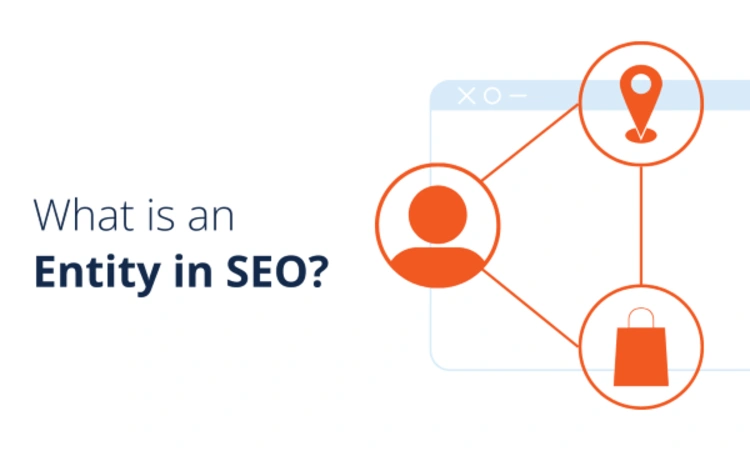
Entity SEO focuses on enhancing content by targeting distinct entities instead of relying solely on individual keywords. But what exactly is an entity?
An entity is a specific and identifiable person, place, thing, or idea that search engines can distinctly recognize and understand. An entity can represent a person, location, organisation, product, event, or even an abstract idea. For example, “Sachin Tendulkar” is an entity, as is “Taj Mahal,” or “Tesla Model 3.”
Today, search engines – particularly Google – priorities recognizing entities and how they relate to each other to deliver more precise and relevant search results. This shift is largely due to advancements in Natural Language Processing (NLP) and the knowledge graph technology.
Why Entity SEO is Important?
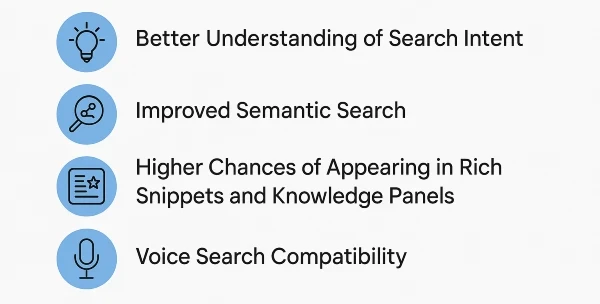
1. Better Understanding of Search Intent
Google’s primary goal is to deliver the most relevant information for any query. Entities enable search engines to better understand the actual meaning behind a user’s query instead of simply matching keywords.
For instance, the term “Apple” might refer to either the fruit or the technology giant. Using entity-based optimization helps Google figure out which one you mean.
2. Improved Semantic Search
Entity SEO focuses on semantic relationships — how entities connect. This means search engines understand context, synonyms, and related terms better.
Semantic search has made exact keyword matching less critical and context-rich content more valuable.
3. Higher Chances of Appearing in Rich Snippets and Knowledge Panels
Entities form the foundation of Google’s Knowledge Graph, which supports rich snippets and knowledge panels in search results.
Websites that optimize for entities have a better chance of appearing in these high-visibility sections on the search results page, dramatically improving click-through rates.
4. Voice Search Compatibility
With the rise of voice assistants like Google Assistant and Alexa, search queries are becoming more conversational and natural. Entity SEO aligns well with voice search optimization since it focuses on context and meaning rather than just keywords.
Don’t Miss: Passage Indexing Explained: How It Affects SEO Rankings
How to Implement Entity SEO in Your Strategy
1. Identify Relevant Entities for Your Niche
Start by researching the key entities related to your business or topic. These could be:
- Brand names
- Industry terms
- Related products or services
- Geographic locations
- Influential personalities in your field
Tools like Google Knowledge Graph, Google Trends, SEMrush, and Ahrefs can help you find popular and related entities.
2. Create Comprehensive Content Around Entities
When writing content, instead of stuffing keywords, focus on covering entities and their relationships in depth. For example, if you have a blog about “Organic Tea,” include entities like “Camellia sinensis,” “herbal infusions,” “tea plantations in Assam,” or “health benefits of antioxidants.”
Your content should be informative, answering questions and covering topics linked to your main entities. This approach not only helps SEO but also provides real value to readers.
3. Use Structured Data Markup (Schema)
Schema markup is a type of structured data that helps search engines interpret the meaning and context behind your content. By adding schema related to entities, such as Person, Product, Organization, Event, or Place, you signal to Google what your content is about, improving the chances of enhanced search results.
For example, if you run a local business, use the LocalBusiness schema to highlight your address, phone number, and reviews, making it easier for Google to connect your entity with local search queries.
4. Build Entity Relationships with Internal and External Links
Linking internally to pages related to your entities helps search engines understand the connection between them. Similarly, authoritative external links to reputable sources strengthen your entity’s credibility.
For instance, in a blog about Indian classical music, linking to articles about famous artists like “Pandit Ravi Shankar” or events like “Sawai Gandharva Festival” builds a network of entities that Google can map easily.
5. Optimize for User Intent, Not Just Keywords
Focus on user intent by anticipating what information users want around a specific entity. Incorporate natural language and address relevant questions throughout your content. Tools like AnswerThePublic or AlsoAsked can help identify common questions and topics related to your entities.
Don’t Miss: SERP Features Optimization Strategies to Increase Click-Through Rates
Entity SEO vs. Traditional SEO: What’s the Difference?
| Aspect | Traditional SEO | Entity SEO |
|---|---|---|
| Focus | Keywords and exact phrase matching | Entities and semantic understanding |
| Content Strategy | Keyword density and placement | Contextual, related information, and depth |
| Search Engine Priority | Matching keywords in text and metadata | Understanding meaning, context, and relationships |
| Rich Results Potential | Basic snippets and meta descriptions | Knowledge panels, rich snippets, featured snippets |
| Voice Search | Less optimised for natural language | Highly optimised for conversational queries |
While keywords are still relevant, Entity SEO complements traditional SEO by adding context and depth, leading to smarter search rankings.
What are the Benefits of Entity SEO for Indian Businesses?

1. Enhanced Local SEO
Indian businesses targeting local customers can benefit immensely by optimizing entities like city names, local festivals, or landmarks. For example, a restaurant in Delhi can optimize content around “Delhi Street food,” “Chandni Chowk eateries,” or “best butter chicken in India,” creating strong local entity connections.
2. Competitive Edge in Niche Markets
In a competitive marketplace, focusing on optimizing particular entities related to your niche can give you a distinct advantage. For example, Ayurvedic brands can focus on entities like “Ashwagandha,” “Tulsi,” or “Ayurvedic skincare,” connecting with niche search intent effectively.
3. Better Integration with Indian Language Searches
Entity SEO supports semantic understanding, which is useful for Indian language searches. Since queries in Hindi, Tamil, Telugu, and other languages often have varied phrasing, entity recognition helps in delivering accurate results regardless of language differences.
Future of SEO: Embracing Entities
With Google’s continuous improvement in AI and machine learning, entity-based SEO is poised to become the dominant strategy. As Google expands its Knowledge Graph and fine-tunes its ability to understand real-world concepts, businesses that adopt Entity SEO early will enjoy better visibility and long-term SEO success.
Fifth Shield
Fifth Shield is the best and affordable SEO company in Dwarka, Delhi, known for delivering measurable digital growth. Our expert team specializes in SEO, SMO, Google Ads, and content marketing to boost your website’s visibility and rankings.
Whether you’re a local business or a national brand, we craft customized strategies to drive organic traffic and leads. With transparent reporting and ethical practices, Fifth Shield ensures long-term success. Choose us to stay ahead in search results without burning your budget.
Wrapping Up
Entity SEO is not just a buzzword but a crucial evolution in the SEO landscape. By focusing on entities, their relationships, and user intent, you create smarter, more meaningful content that aligns with how modern search engines operate.
To get started with Entity SEO:
- Identify relevant entities for your brand
- Create comprehensive, context-rich content
- Use structured data markup effectively
- Build strong entity relationships through linking
- Optimize for user intent and voice search
Embracing Entity SEO today will ensure your website ranks higher in search results tomorrow, delivering smarter, more relevant traffic that converts.
Don’t Miss: How to Start a News Website: A Step-by-Step Guide for Beginners