
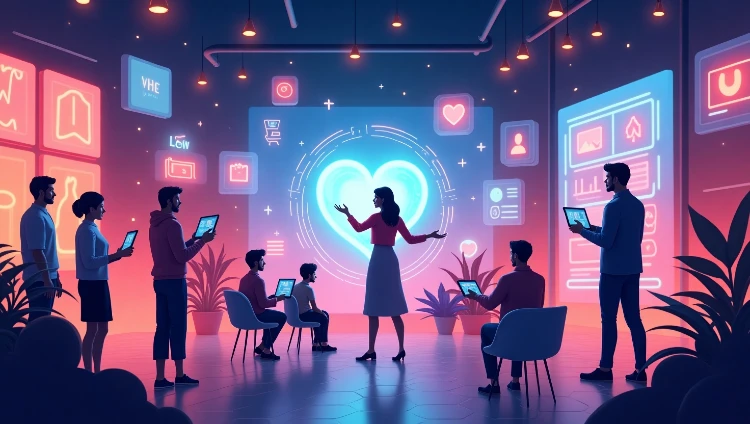
What is Vibe Marketing 2025? The Art of Selling Emotions, Not Products
|
Getting your Trinity Audio player ready...
|
In a world full of ads screaming for attention, people no longer want to be sold to; they want to feel seen. That’s where vibe marketing steps in.
It’s not just about showcasing your product; it’s about setting a mood, creating a connection, and building a brand personality that clicks with your audience, especially Gen Z and Millennials.
Whether you’re a startup, a D2C brand, or a service provider, Vibe Marketing helps you rise above the digital noise by creating content that feels right.
In this blog, we’ll explore what vibe marketing really is, how it differs from traditional strategies, and how your business can master it using simple tools and emotional storytelling.
Table of Contents
What is Vibe Marketing?
Vibe Marketing is a modern digital marketing approach that focuses on creating a feeling, aesthetic, and emotional connection with the audience rather than just promoting products or services.
It blends mood, music, visuals, tone, and values to make your brand relatable, almost like it’s part of your audience’s lifestyle.
This strategy is especially effective with Gen Z and Millennials, who value authenticity over perfection.
Instead of hard selling, vibe marketing invites users to vibe with the brand, to connect through shared beliefs, cultural relevance, and storytelling.
For example, a skincare brand might avoid boasting about ingredients and instead highlight “a calm night routine with soft music and natural glow” – that’s a vibe.
In short, vibe marketing makes your brand feel human. It’s not just about selling products, it’s about sparking emotions and building connections. When done right, it builds loyalty, awareness, and serious social media engagement.
Traditional Marketing Vs. Vibe Marketing
Traditional marketing is product-driven. It tells you what the product is, what it does, and why you should buy it – often through direct ads, print media, and formal communication.
Vibe Marketing, on the other hand, is emotion-driven. It doesn’t just market a product – it markets a feeling. It uses aesthetics, storytelling, influencer collaborations, relatable content, and trends to create an emotional hook.
| Traditional Marketing | Vibe Marketing |
|---|---|
| Focus on features & pricing | Focus on emotions & aesthetics |
| One-way communication | Two-way, community-driven |
| Informative tone | Conversational and relatable |
| Platform-led | Audience-led |
| Short-term sales focus | Long-term connection & loyalty |
Example: A traditional clothing ad may say “50% off shirts.” A vibe-driven one might show a cozy Sunday morning, with the caption: “This is your Sunday vibe. In your favorite oversized shirt.”
So, while traditional marketing pushes the product, vibe marketing pulls people in with energy, culture, and emotion.
How Can Your Business Implement Vibe Marketing?
Implementing vibe marketing doesn’t require a million-dollar budget. It requires creativity, empathy, and a strong understanding of your audience.
Here’s how your business can implement vibe marketing effectively:
1. Know Your Audience’s Vibe
Start by identifying what your audience loves, follows, and shares. Use polls, Instagram Q&As, Reddit threads, and Quora to decode their language, humor, and interests.
2. Use Aesthetic Visuals and Design
Design is everything. From colors and fonts to editing style and layout, choose a visual identity that aligns with your brand’s vibe. For example, luxury = minimalism, while Gen Z = bold and pastel aesthetics.
Use consistent templates for Reels, carousels, and stories.
3. Incorporate Music and Sound
Music sets the mood. Add trending sounds or lo-fi tracks to your content. This is especially crucial for Instagram Reels, YouTube Shorts, or podcast intros.
The right track can instantly evoke emotion and relatability.
4. Use Relatable Language
Ditch corporate jargon. Speak like your audience. Use emojis, pop culture references, memes, and conversational CTAs like:
- “This is your vibe reminder.”
- “Your sign to take a break.”
5. Collaborate with Micro-Influencers
Work with content creators who authentically resonate with your brand’s message. Don’t force the vibe – it should look organic. Their audience will trust your brand more.
6. Storytelling Over Selling
Share real stories, customer journeys, behind-the-scenes moments, and experiences. Make your content a mirror of your audience’s dreams, needs, and challenges.
7. Create Mood-Driven Content Calendars
Align your content with seasons, festivals, moods, and internet trends. A Diwali-themed “vibe post” can include chill family moments, not just sales pitches.
Bonus Tip: Track engagement, not just likes. Saves, shares, and comments show real connection.
AI Tools For Vibe Marketing
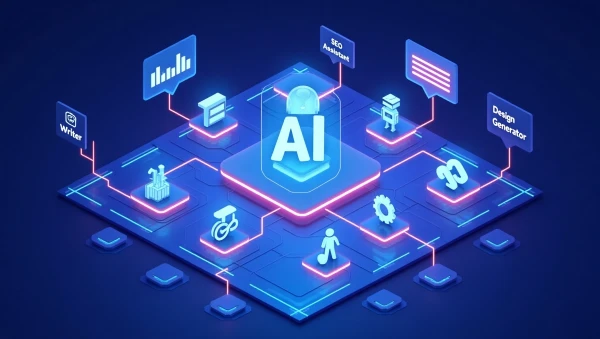
AI is a vibe marketer’s secret weapon. Here are 5 top tools to elevate your strategy:
- Canva Pro: Design aesthetic posts, Reels, stories, and brand kits using pre-made templates. Add your fonts and color palette to keep your brand visually consistent and vibey.
- Copy.ai or ChatGPT: Develop messaging that mirrors your brand’s tone across every piece of content. You can also explore emotional storytelling hooks and Gen Z-friendly copy.
- Lumen5: Convert your blog or message into emotional, cinematic videos using music, imagery, and AI-powered editing. Great for YouTube and social media teasers.
- Trend.io: Tracks viral TikTok and Instagram audio, influencer campaigns, and aesthetic trends. Perfect for staying updated and adapting your brand to ongoing trends.
- Later or Metricool: Plan, schedule, and analyze your vibe-driven content across platforms.
Offers smart hashtag suggestions tailored to your mood, niche, and posting time.
These tools save time and ensure your content is aligned with current digital vibes.
Why Vibe Marketing Works?
Vibe marketing works because it feels human. It speaks the language of your audience and reflects their thoughts, emotions, and culture. Today’s audience is overexposed to ads, so hard-selling no longer works. What people want is connection.
When your brand shows up with the right music, aesthetic, tone, or humor, it creates familiarity. That familiarity builds trust. And trust drives conversions.
Another reason vibe marketing works is because of the community. It doesn’t isolate users – it invites them to join in. People share vibe content because it reflects them – their thoughts, their humor, their life.
Platforms like Instagram and YouTube also favor engagement-driven content. So, when your post vibes with the audience, it performs better organically.
The Future of Vibe Marketing
Tomorrow’s marketing will win hearts, not just clicks. With AI advancing, users will expect personalized experiences. Vibe marketing will evolve into hyper-personalized, real-time experiences.
Imagine this:
- You walk into a store, and the playlist matches your Spotify mood.
- A great reel ad reflects your aesthetic and mirrors your brand’s voice.
- Brands use local language, humor, and memes just right.
That’s the future – real-time vibe syncing.
Also, platforms like Instagram Threads, TikTok, and even search engines like Google are adapting to mood-based algorithms. Brands that match vibe + value will dominate.
From fashion and food to SaaS and skincare, every industry will be impacted. Those who adapt early will thrive. Those who don’t will fade out.
Common Vibe Marketing Mistakes to Avoid
Even the best brands can get it wrong. Here are some vibe-killers to avoid:
- Being Inauthentic: Don’t force slang or humor if it doesn’t align with your brand. It comes off as fake and backfires badly.
- Ignoring Aesthetics: Mismatched colors, poor visuals, or low-quality videos break the vibe. Design matters more than ever in vibe-driven marketing.
- Overposting Trends: Chasing every trend may blur your brand’s identity. Follow only those that feel authentic.
- Lack of Cultural Sensitivity: Memes and humor must respect local emotions, festivals, and values, especially if you’re targeting Indian audiences.
- Not Tracking Performance: If you don’t monitor engagement and feedback, you won’t know what’s vibing and what’s not.
Avoid these, and your brand will remain emotionally intelligent, relevant, and unforgettable.
Fifth Shield
Fifth Shield isn’t just a marketing agency – we’re the creative force behind brands that vibe and thrive. As the top digital marketing firm in Dwarka, Delhi, we blend strategy with storytelling to help businesses build emotional connections through vibe marketing, SEO, PPC, and content.
Our team understands what clicks with today’s digital audience. From concept to content, we ensure your brand doesn’t just sell, it resonates. Make your brand feel alive with connections that go beyond the screen.
Wrapping Up
In 2025 and beyond, vibe marketing isn’t just a buzzword; it’s the heart of digital brand-building. It humanizes your business, creates emotional value, and builds a loyal community that relates to your vibe more than your price point.
Whether you’re crafting Instagram reels, collaborating with influencers, or optimizing your website, don’t just ask “What are we selling?”- ask, “What are we making people feel?”
Don’t Miss: Digital Marketing for MSMEs What to Do First, What to Skip, and What Actually Works